


One of the most frequently asked questions at the hair salon is: Should I choose a layered hairstyle or non layered hair? Many people see trendy layered hairstyles on TikTok, Instagram, and Pinterest and assume that layers will make their hair look better. Others have kept their hair thick-cut for years because it feels safe and easy to manage.
This guide will explain the real differences between layered and non-layered hairstyles in detail, helping you choose a style that suits your unique features, rather than blindly following trends.
1.What Is A Layered Hairstyle?
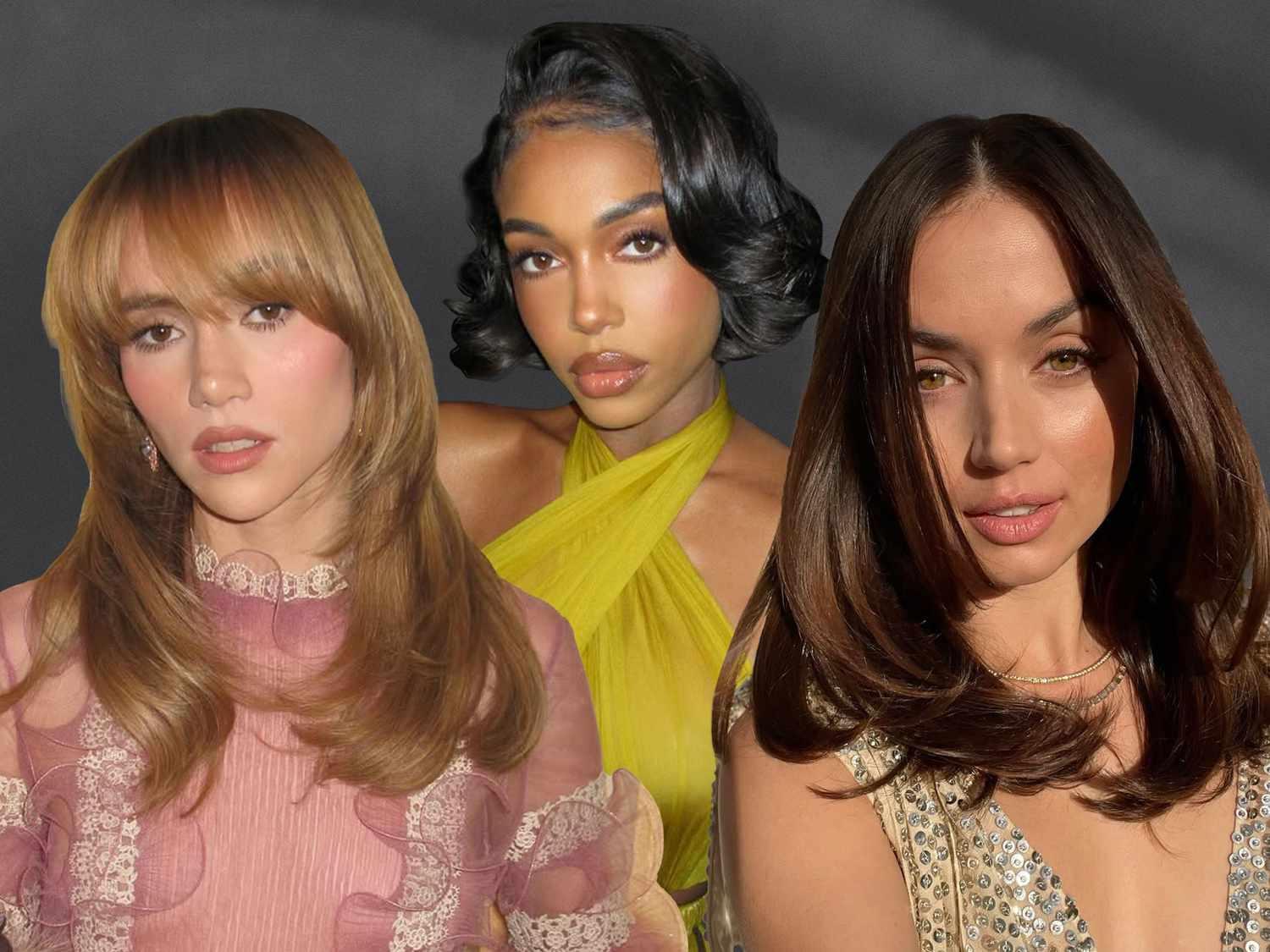
A layered hairstyle is created by cutting different sections of hair into different lengths. Unlike all strands ending at the same length, a layered hairstyle cleverly blends hair of varying lengths together.
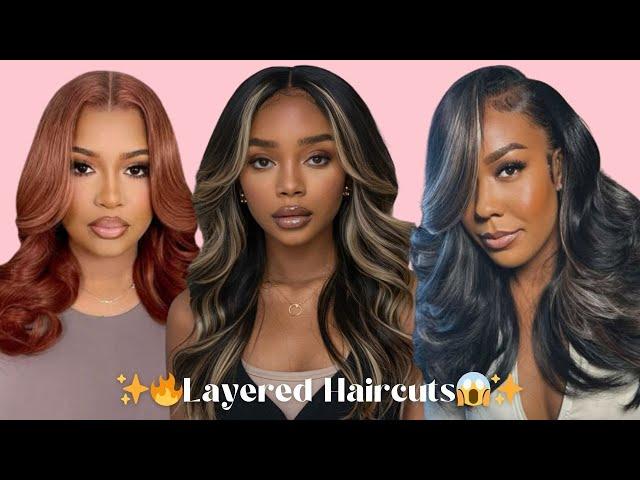
The purpose of a layered hairstyle is to: Create movement. Add layers. Reduce the heaviness of the hair. Add volume. Slim the face. Make the hair look lighter. You can think of a layered hairstyle as steps rather than a straight line. Different hair lengths can create shapes and visual interest in hairstyles.
Common layered hairstyles include:
Butterfly cut, Long layers, Face-shaping layers. Voluminous cut, Wolf tail cut, Semi-layered bob.
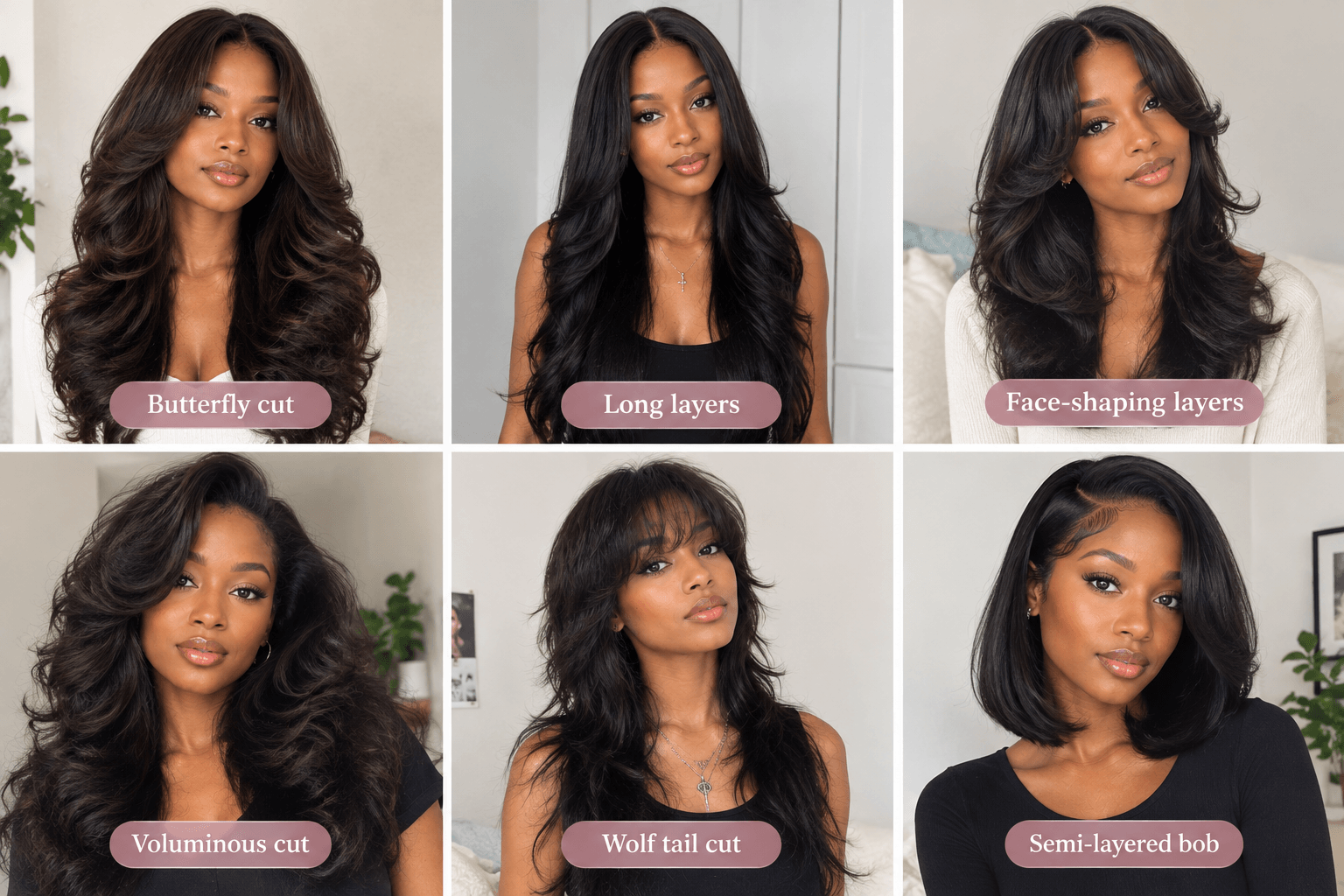
Key features: Lightness, Dynamic movement, Rich texture, Soft contours and versatile styling.
2.What Is A Non-layered Hairstyle?
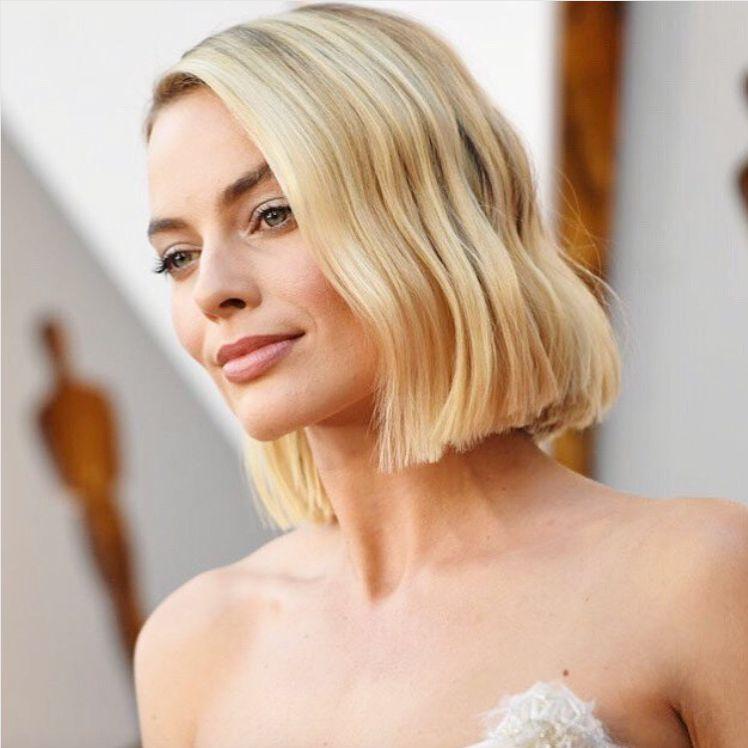
A non layered hairstyle, often called a uniform length hairstyle, refers to a hairstyle where all hair strands are roughly the same length. This hairstyle doesn't have intentionally created internal layers, so there are no uneven lengths. The final result is a cleaner, neater, and more even style.
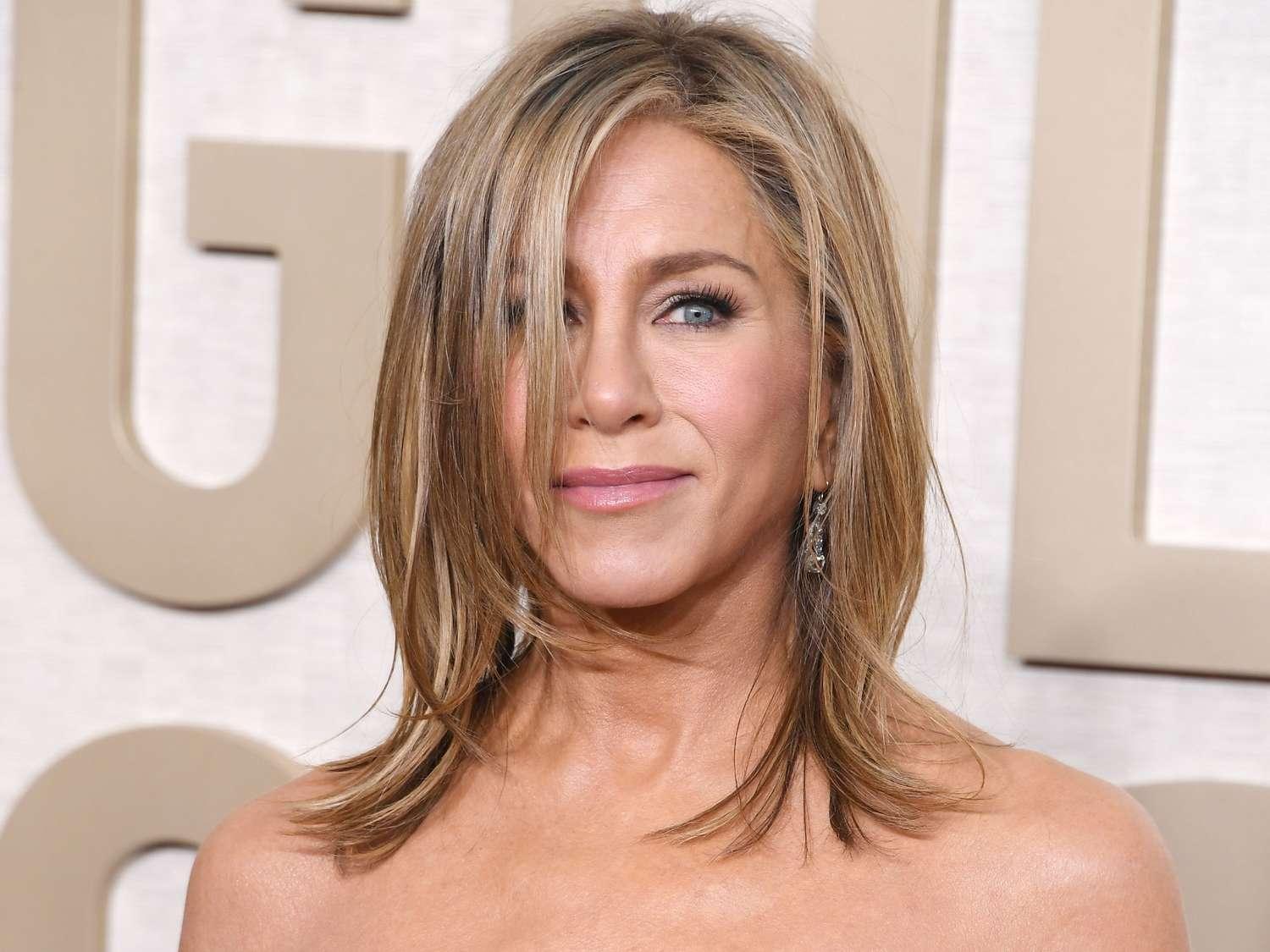
Examples: Shoulder-length bob, Classic long bob, Long straight hair and precise shoulder-length cut.
Key features: Smooth lines, Distinct shape, Full volume, Smooth appearance and Consistent thickness from top to bottom.
Many luxurious and minimalist hairstyles use uniform length because it creates a sophisticated and elegant visual effect.
3. Key Differences: Layered vs. Non-Layered Hairstyles
Hair Volume and Density Differences
This is usually the most important determining factor. Layered Hairstyles: Layers can reduce the weight of the hair. For fine hair, this can create a more voluminous visual effect. For thick hair, layers can prevent the hairstyle from appearing heavy or triangular.
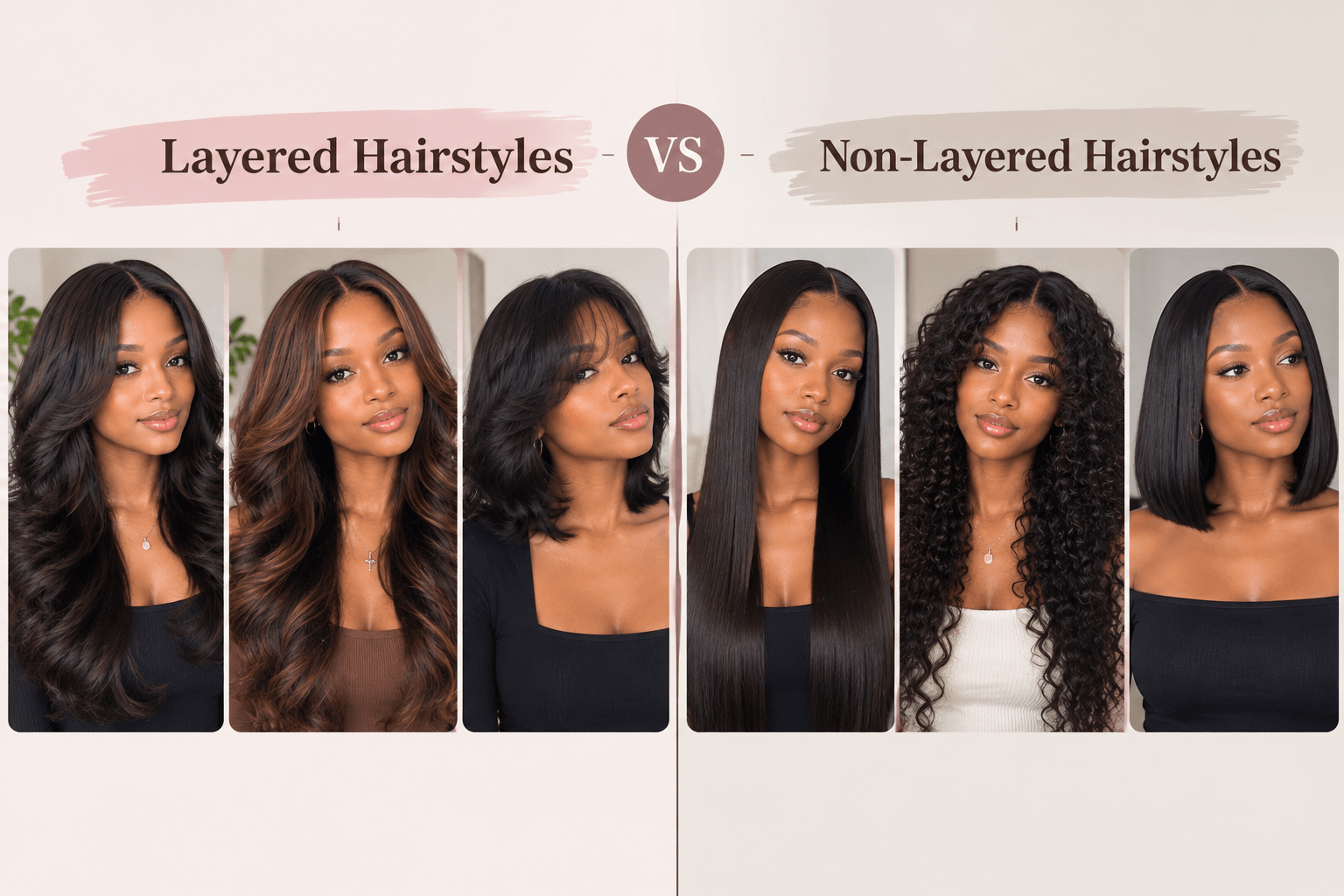
Non-Layered Hairstyles:
A straight cut retains the weight of the hair. This makes the ends of thinning hair appear fuller. However, if the hair is very thick, a flat, unlayered cut can sometimes feel heavy or overly voluminous.
1. Impact on Face Shape:
Layered Hairstyles Layering can visually alter the shape of the face. It helps to: Soften a square jawline. Slim a round face. Add width to a long face. Create balance.
A flattering cut
A flattering cut emphasizes the natural contours of the face. It doesn't have the same ability to modify or conceal the face shape as layered hair. For some, this clean, simple style is an advantage. But for others, it may not be the best fit.
2. Daily Styling Experience:
In actual salon experiences, clients often underestimate this difference. Layered Hairstyles Usually require: Blow-drying, Round brush, Use styling products, More frequent trimming.
Layered hair shows its best results after styling. A flattering cut generally easier to manage.
Many people can achieve the following: Air dry, Quickly straighten, Let it hang naturally. Maintain the overall structure of the hairstyle.
4.Advantages And Disadvantages Of Layered Hairstyles
Advantages:
1. Adds volume One of the most effective ways to make flat hair look more dynamic.
2. Softens facial contours Layers can reduce the width of the cheeks and jawline.
3. Creates a modern, dynamic look The hair appears more lively, both in photos and in real life.
4. More styling options Layers pair well with: Waves, Curls, Blow-drying, Updos, Reducing hair weight, Especially suitable for people with thick hair.
Disadvantages:
1. Requires advanced cutting skills Poor layering techniques can result in irregular hair shapes and an unnatural appearance as it grows longer.
2. Requires more styling effort Many layered hairstyles require careful styling to achieve the best results.
3. May exacerbate frizz Damaged or porous hair may appear even frizzier after adding layers.
4. Requires more frequent trims Most layered hairstyles need trimming every 6-10 weeks.
5. Not always suitable for fine hair Too many layers can make fine hair appear thinner.
5.Advantages And Disadvantages Of Non-layer Hairstyles
Advantages:
1. Clean and sophisticated Thick-cut hairstyles usually look classic and professional.
2. Easy to manage No need for frequent styling.
3. Reduces frizz The defined outline makes hair look smoother.
4. Looks stronger Hair usually looks thicker and healthier.
5. Predictable growth trend The hairstyle shape can remain unchanged for longer.
Disadvantages:
1. Can appear flat Fine hair may lack movement.
2. Less effective at shaping the face This hairstyle is less effective at shaping the face.
3. Can feel heavy Especially for very thick hair.
4. Less styling versatility Thick-cut hairstyles offer fewer styling options.
Layered hairstyles can make the top of the head appear flat. Overly long and heavy hairstyles can sometimes reduce the natural volume at the top of the head.
6.Who Is Suitable For Layered hairstyles?
If you have any of the following characteristics, layered hairstyles are generally a good choice:
1. Fine or flat hair Layers can add volume and movement to the hair.
2. Round face Layers that flatter the face shape help to elongate the face proportions.
3. Square face Soft layers can reduce the visual angles around the jawline.
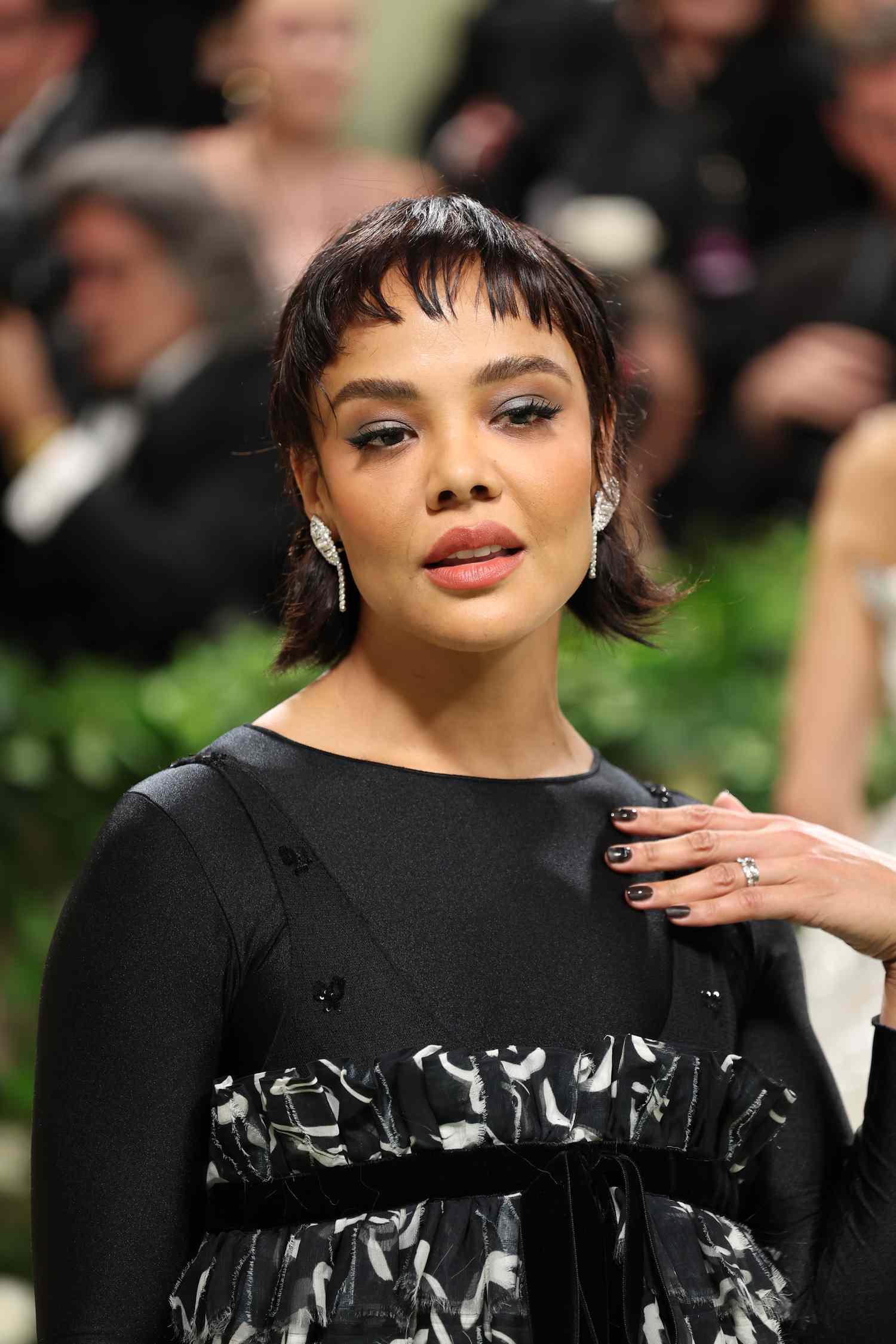
4. Thin hair at the top Clever layers can enhance the volume at the top of the head.
5. People who like to style their hair If you frequently use styling tools, layered hairstyles offer greater styling versatility.
6. People who pursue fashionable styles Most modern hairstyle trends incorporate some degree of layering.
7.Who Is Suitable For Non-layered Hairstyles?
If you have any of the following characteristics, a non-layered hairstyle may be more suitable for you:
1. Coarse or thick hair A defined silhouette can create a sophisticated style.
2. Naturally Frizzy Hair The fewer layers, the less frizzy hair.
3. Fast-paced Lifestyle No need for excessive styling.
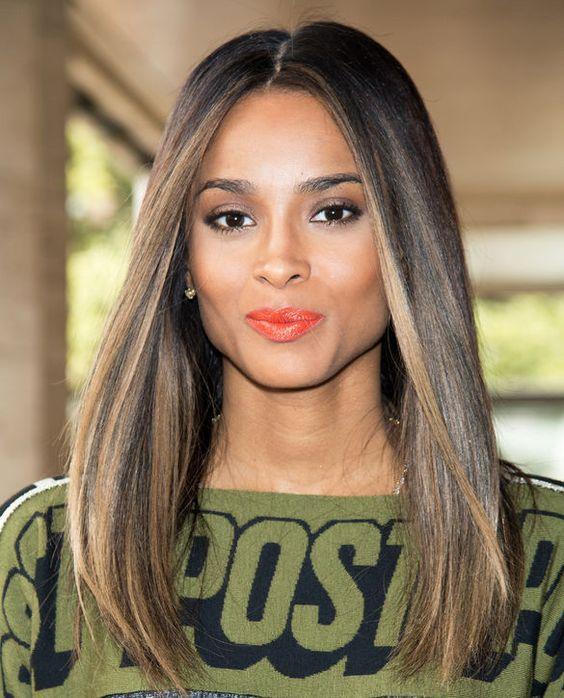
4. A preference for minimalism Straight-cut hair gives a sophisticated and understated look.
5. Seeking Healthy Long Hair Many people with long hair prefer less layered hairstyles to maintain volume.
6. Professional Work Environment A simple straight-cut hairstyle is suitable for formal occasions.
8.Frequently Asked Questions About Layered And Non-layered Hairstyles
Which is better, a layered hairstyle or a flat one?
There is no absolute superiority or inferiority. Layered hairstyles can add movement and volume, while flat hairstyles appear simpler and more structured. The best choice depends on your hair type and styling preferences.
Do layered hairstyles require more maintenance?
Usually. Layered hairstyles typically require: More styling, More frequent trims and more styling products instead of straight-cut hair.
Is hair without layers boring?
Not at all. Many classic hairstyles are blunt-cut. A sleek, healthy blunt-cut style usually looks elegant and timeless.
Does curly hair suit layered or non layered hairstyles?
Curlly hair generally suits some layering. An overly thick non layered hairstyle can create bulk and a triangular shape. However, too many layers can also lead to frizz and uneven curls. A customized styling solution is usually the best option.
9.In Summary
The biggest difference between layered and non-layered hairstyles lies in shape, movement, and daily care. Before making a decision, consider not only how the hairstyle will look in photos, but also how much time you're willing to spend on it every day.
The most successful hairstyles are often not the most trendy—but rather the one that best suits your hair type, lifestyle, and daily care needs.



Share Your Comment