


When you hear the terms "half-wig" and "gluless wig," what comes to mind? They aren't entirely opposite products. A half-wig refers to the area of the wig that covers the head, while a glueless wig refers to the way the wig is secured. Today, we'll take a closer look at the differences between the two and who they're suitable for. If you're interested, read on.
What Is A Half Wig?
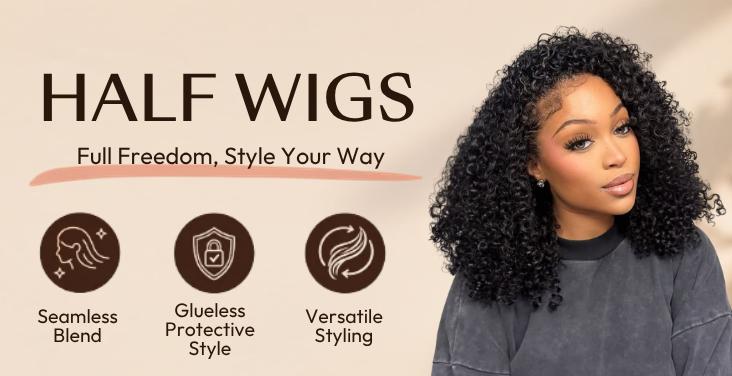
A half wig is also known as a three-quarter wig. It typically covers the top and back of the head while leaving some natural hair on the forehead. Most half-wigs use a woven hairpiece as the cap, rather than a lace forehead structure.
Depending on the style, common designs include:
Front and back combs or clips to help secure the wig.
Adjustable elastic bands or drawstrings to allow the cap to fit the head snugly.
An open forehead area to allow you to cover the edge of the wig with your own hair.
Its most important feature is the "leave-out," meaning exposed natural hair. The wearer needs to comb a portion of their natural hair from their forehead to the edge of the wig, making their natural hair and the wig look like the same hairstyle.
This design has a clear advantage: it eliminates the need for trimming lace or using lace to simulate a natural hairline. Therefore, Half Wigs are more suitable for those who want to retain their own forehead hair while adding volume or length.
What Is A Glueless Wig?
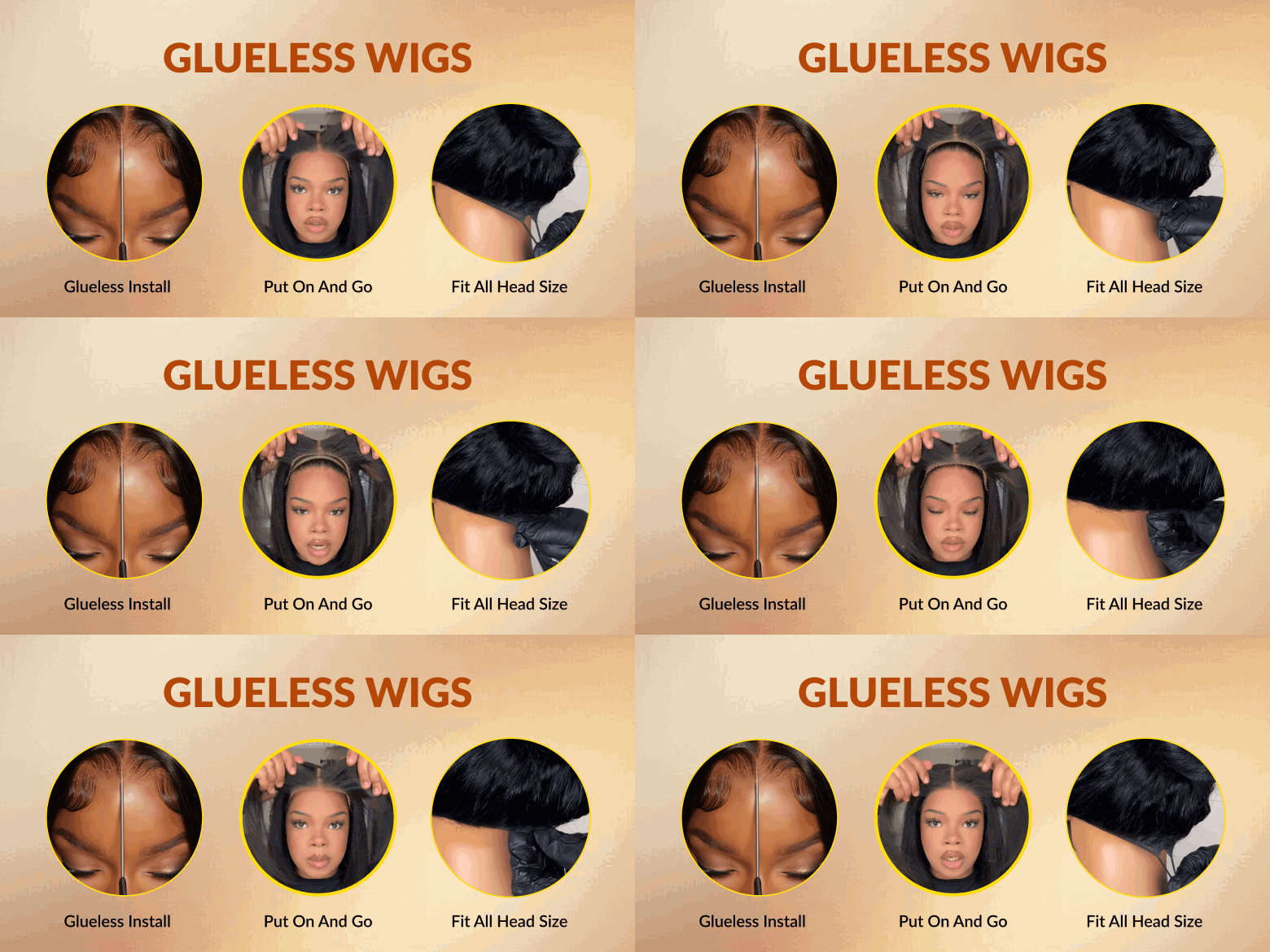
A Glueless Wig is a wig designed to be secured without the use of hairspray or tape. Common securing mechanisms include adjustable straps, built-in combs or clips, elastic bands, and silicone anti-slip strips or bands used in some styles. Unlike traditional Half Wigs, full-coverage Glueless Wigs cover the entire head. You don't need to expose your natural hairline to cover the front edge of the wig.
However, it's important to understand that glueless does not mean completely unnecessary preparation. You may also see terms like pre-cut lace, pre-plucked hairline, pre-bleached knots, and wear and go. These terms describe additional product features and are not synonyms for glueless.
Half Wig vs. Glueless Wig: A Direct Comparison
| Comparison Dimensions | Half Wig | Glueless Wig |
|---|---|---|
| Coverage | Covers the top and back of the head, leaving the forehead hairline exposed. | Covers the entire head. |
| Natural Forehead Hair | Traditional blending styles require some natural hair to remain exposed. | Does not require natural forehead hair to remain exposed. |
| Lace Construction | Usually features no lace. | May feature a lace frontal, closure, full lace, or no-lace design. |
| Securing Method | Usually secured with combs, clips, elastic bands, or drawstrings. | Usually secured with adjustable straps, combs, clips, or anti-slip structures. |
| Wearing Time | Usually takes just a few minutes to put on, but the exposed natural hair needs styling and blending. | Quick and easy styles are generally faster to install, while styles requiring lace customization may take longer. |
| Parting and Updo Freedom | Depends on the cap design and how the exposed natural hair is blended. | Depends on the lace coverage and cap construction. |
| Price | Usually more affordable. | Complex lace constructions may cost more. |
| Breathability | Usually lighter, depending on the cap construction. | Depends on the cap material, hair volume, and overall construction. |
Wig prices vary significantly depending on the hair material, length, density, brand, and cap construction. Half-wigs may be cheaper because they typically don't require hand-made lace hairlines, but this doesn't mean they are of lower quality. They offer different functions.
The core conclusion is: there's no absolute superiority or inferiority between the two types of wigs; the key is what problem they solve.
Who Should Buy A Half Wig?
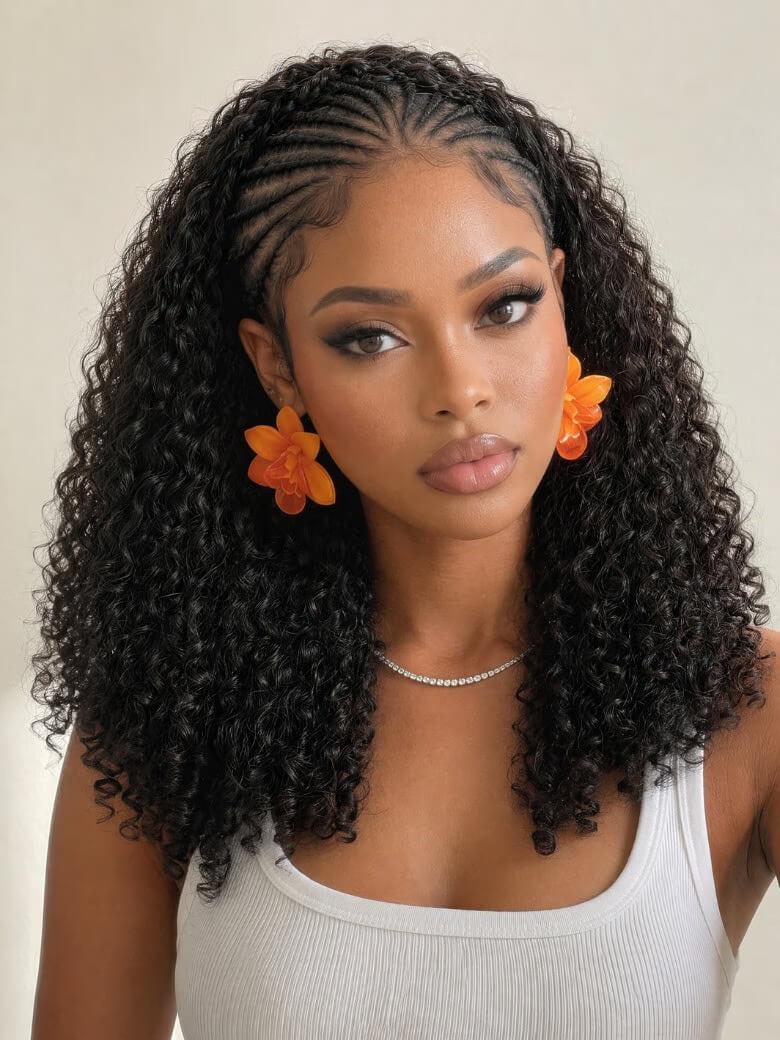
If you meet the following criteria, consider a half wig: You have enough healthy hair at the front to blend naturally with the wig. You want to add length or volume but still want to show your natural hairline. You don't want to spend time on lace treatments.
Note that the final effect of a half wig depends on the amount of natural hair exposed. Color, curl, hair texture, shine, and hair volume all affect the blending effect. Even with very similar colors, significant texture differences can make transition areas look unnatural.
You also need to consider your daily styling habits. If you have to frequently straighten your natural hair to match the wig every time you wear it, the time and heat required for styling may negate its intended convenience.
A better approach is to choose a texture that closely matches your natural hair and blends easily, rather than buying solely based on product images. If your hairline is thinning or your scalp is sensitive, avoid forcing combs into delicate hair areas to secure the wig.
Who Should Buy A Glueless Wig?
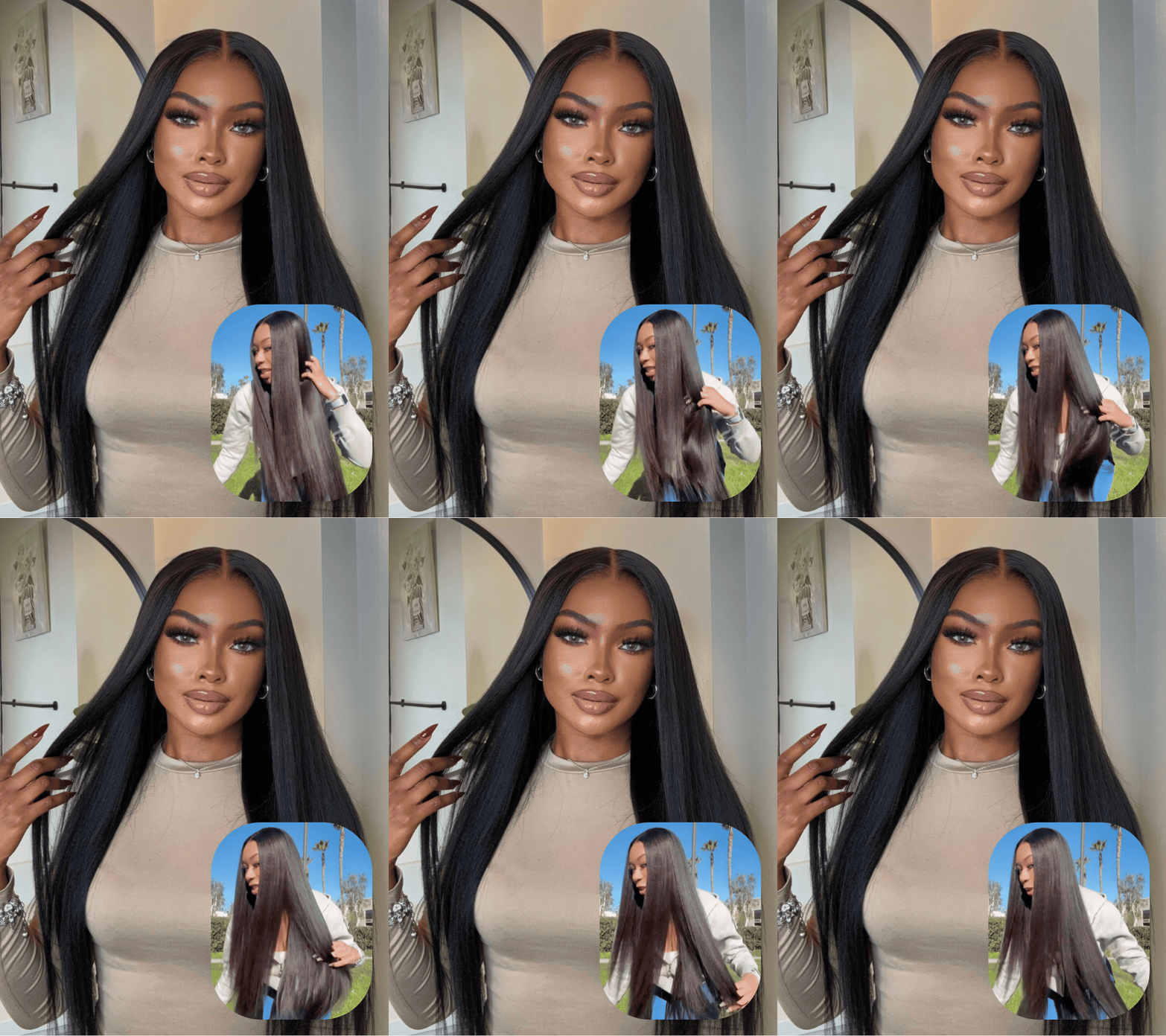
You should prioritize a Glueless Wig if you: Want full head coverage and don't want your natural hair exposed at the forehead. Don't want to use glue or tape on your skin. Want to change your hairstyle frequently without relying on adhesive attachments.
Beginner to wigs and want a product with a relatively simple securing method. For those who need to cover areas of hair loss and prefer a removable wig. For those with a thinning hairline or hair loss issues, a full-coverage glue-free wig can avoid having to expose the forehead to blend into the style.
However, not all glue-free designs are suitable for every scalp or hair loss condition. Built-in combs can still pull on existing hair, and overly tight straps can cause stress. If you have a sensitive scalp or your hair loss is related to a medical condition, prioritize low-tension, comfortable wigs and consult a professional if necessary. What you need to know about hairlines and traction damage? Both types of wigs can be comfortable to wear, but neither guarantees complete safety.
For half-wigs, repeatedly securing the combs or clips in the same position daily can irritate the scalp or cause hair breakage. Avoid forcing the combs into delicate hair areas, adjust the securing position appropriately when possible, and remove the wig at night.
For glueless wigs, the absence of glue reduces a potential source of skin irritation, but it doesn't mean there's absolutely no risk of traction. Overly tight straps or combs that clamp too firmly can cause discomfort.
Conclusion
These are the differences between the two. Hopefully, this information is helpful. If you want to retain your natural hairline while increasing hair length or volume, consider a half-wig. If you want full head coverage and don't want to rely on glue, look for a suitable glueless wig. Choose a wig that suits your daily life.
Related Posts
Sunber 2-IN-1 Switch™ Headband Wig, What's The Upgrade?



Share Your Comment